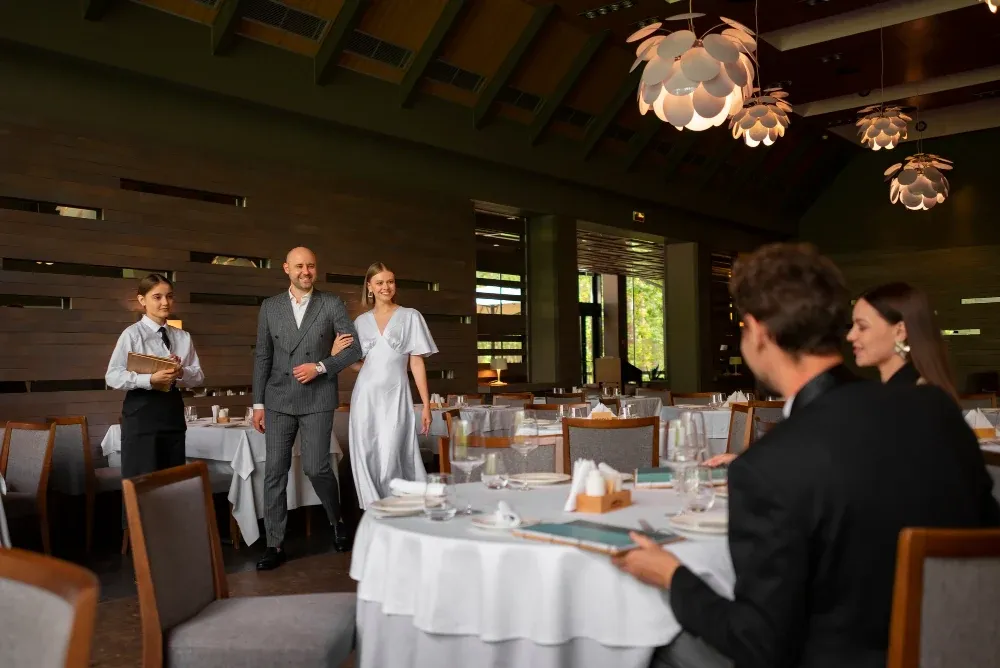
Running a venue that is growing fast sounds exciting until you realise how quickly things can fall apart without the right systems in place. From juggling multiple event bookings to coordinating staff and keeping clients happy, banquet management is far more layered than it looks from the outside. Venues that scale well are the ones that treat operations as a living system, not just a checklist. In this article, we cover the techniques that actually make a difference for growing banquet businesses today.
Why Strong Banquet Operations Management Is the Foundation of Growth
Most venue owners focus on sales, and rightly so. But in our experience, the venues that struggle to grow are not the ones with low bookings. They are the ones with weak internal processes that break under pressure.
Banquet operations management covers everything from how enquiries are handled to how post-event feedback is collected. When these processes are documented and repeatable, your team stops depending on memory and starts delivering consistent results.
A good example: one of the most common pain points we see is double-booking. It sounds basic, but without a centralized booking system, even a two-hall venue can run into serious conflicts during peak wedding season. The fix is not just software. It is a culture of logging every inquiry, confirmed or not.
Building Standard Operating Procedures for Your Venue
SOPs are not bureaucratic overhead. They are what allow you to onboard new staff quickly and maintain quality even during high-pressure weekends.
Start with your three most repeated tasks: client onboarding, event-day setup, and post-event reconciliation. Document what good looks like for each, assign ownership, and review quarterly. Once these are in place, your managers spend less time firefighting and more time improving the guest experience.
Using Data to Drive Operational Decisions
Track your occupancy rate, average revenue per event, and cancellation frequency. These three numbers alone will tell you more about your business health than any anecdotal feedback.
If your Saturday occupancy is consistently above 90% but Thursdays are empty, that is a pricing and marketing signal, not just a scheduling observation. Banquet operations management becomes genuinely strategic when decisions are driven by this kind of data rather than gut feeling.
Smarter Banquet Event Planning Starts Before the Client Calls
By the time a client reaches out to book, your venue should already have a planning framework ready to deploy. Banquet event planning is not just about the event itself. It is about everything that happens in the six to eight weeks leading up to it.
We have seen venues lose repeat clients not because the event went badly, but because the pre-event communication was chaotic. Clients want to feel like they are your priority, and that feeling comes from structure on your end.
Creating a Repeatable Event Planning Workflow
Build a timeline template for each event type you host, whether it is a corporate dinner, a wedding reception, or a birthday banquet. Each template should cover client briefing, menu finalisation, vendor coordination, staff briefing, and day-of-event flow.
When your team follows the same workflow every time, gaps stop falling through. And when something does go wrong, you can trace exactly where the breakdown happened and fix it for the next event.
Coordinating Vendors Without Losing Control
Most banquet events involve external vendors, caterers, decorators, photographers, and AV teams. The mistake venues make is treating vendor coordination as the client's responsibility.
In reality, if a vendor shows up late or sets up incorrectly, the client blames the venue. Own the vendor briefing process. Share a standard vendor kit with arrival times, floor plan access, point of contact details, and venue rules. This one step alone reduces day-of surprises significantly.
Banquet Hall Management: Space, Flow, and the Guest Experience
Your hall is your product. How it is managed on event day directly shapes how guests remember the experience, and whether they recommend your venue to others.
Banquet hall management goes beyond keeping the space clean and lit correctly. It includes how guests move through the space, how staff are positioned, and how quickly issues are resolved without drawing attention.
Think about the last time you attended a well-run banquet. You probably did not notice anything specific. That invisibility is the goal. Problems were solved before they became visible, and the evening felt effortless. That does not happen by accident.
A practical example: a venue that hosts both corporate events and wedding receptions needs very different floor configurations for each. Having pre-set floor plan templates and a trained setup team means the transition between event types does not eat into your margins with overtime hours.
Banquet Service Management: Training, Timing, and Guest Handling
Even the most beautifully managed hall will fall short if the service is inconsistent. Banquet service management is one of the most visible aspects of your operation, and guests notice everything from how quickly they are greeted to how staff handle special requests under pressure.
The biggest gap we see in growing venues is the assumption that experienced staff do not need structured guidance. Even senior banquet staff benefit from pre-event briefings that cover the specific client preferences, any VIP guests, dietary considerations, and the event timeline in detail.
Service timing is particularly critical during multi-course dinners. A delay of even 15 minutes between courses can shift the energy of an entire room. Build buffer time into your service schedule and assign a floor manager whose only job is to keep the timeline moving.
Beyond timing, train your team on complaint handling. Guests rarely escalate issues if they feel heard quickly. A simple acknowledgment and immediate action go much further than an apology delivered after the event ends.
Technology's Role in Modern Banquet Management
The venues growing fastest right now are not necessarily the ones with the biggest halls. They are the ones using technology to manage complexity without adding headcount.
Banquet management software like BanquetFirst helps venues centralise bookings, track payments, manage client communication, and generate reports, all from one platform. When your operations team and sales team are working from the same system, information gaps disappear and decisions get made faster.
Beyond dedicated software, tools like digital checklists, WhatsApp-based staff coordination, and cloud-based floor plan builders have become standard in well-run venues. The investment is relatively modest, and the time savings compound quickly as your booking volume grows.
Frequently Asked Questions
Q1What is banquet management and why does it matter for venues? Banquet management refers to the end-to-end process of planning, coordinating, and executing events at a venue. It matters because strong management directly impacts client satisfaction, staff efficiency, and revenue growth.
Q2How can I improve banquet operations management at my venue? Start by documenting your core processes and identifying where delays or errors most commonly occur. Introducing centralised booking software and regular team briefings can make an immediate difference.
Q3What should a banquet event planning checklist include? It should cover client briefing, menu confirmation, vendor coordination, staff assignment, floor plan setup, and a clear event-day timeline with buffer windows built in.
Q4How does banquet hall management affect guest experience? The way a hall is set up, staffed, and maintained throughout an event directly shapes how guests perceive the venue. Poor space management leads to crowding, slow service, and a sense of disorganisation that guests remember.
Q5What is the best way to handle banquet service management training? Conduct pre-event briefings before every function, even for experienced staff. Cover the specific event details, client preferences, VIP guests, and expected service timeline so everyone is aligned before the first guest arrives.
Final Thoughts
Growing a venue is as much an operational challenge as it is a sales one. The techniques covered here, from tightening your banquet operations management to investing in the right technology, are what separate venues that scale from those that plateau. If you are looking for a smarter way to manage your banquet business, BanquetFirst is built to help you do exactly that. Explore how the platform can simplify your operations and help you deliver better events, consistently.